Why a Framework
AI creates value when it improves how the business works
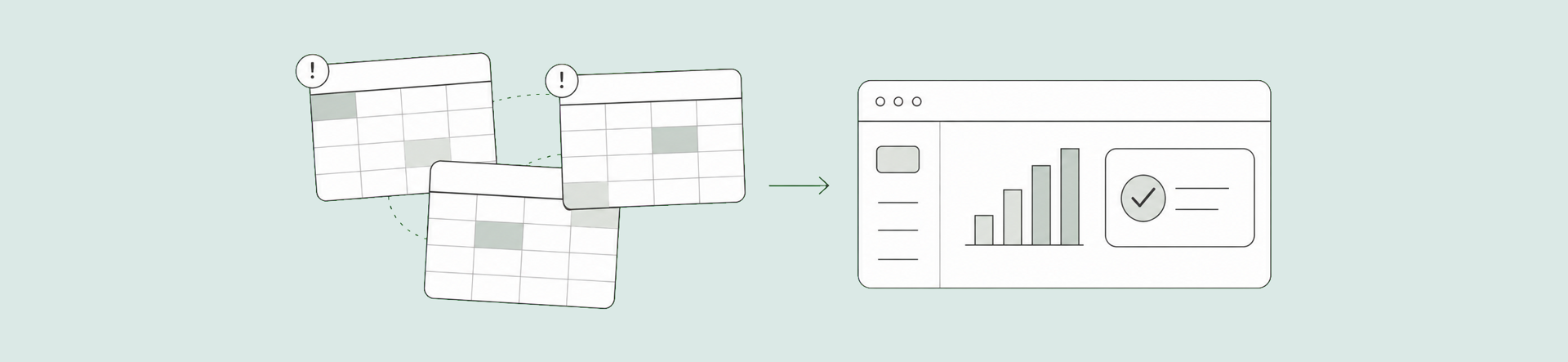
Most organizations do not lack AI ideas. They lack a clear way to decide which ideas matter, what information the AI should use, where people must remain involved, and how the work will move from discussion into daily operations.
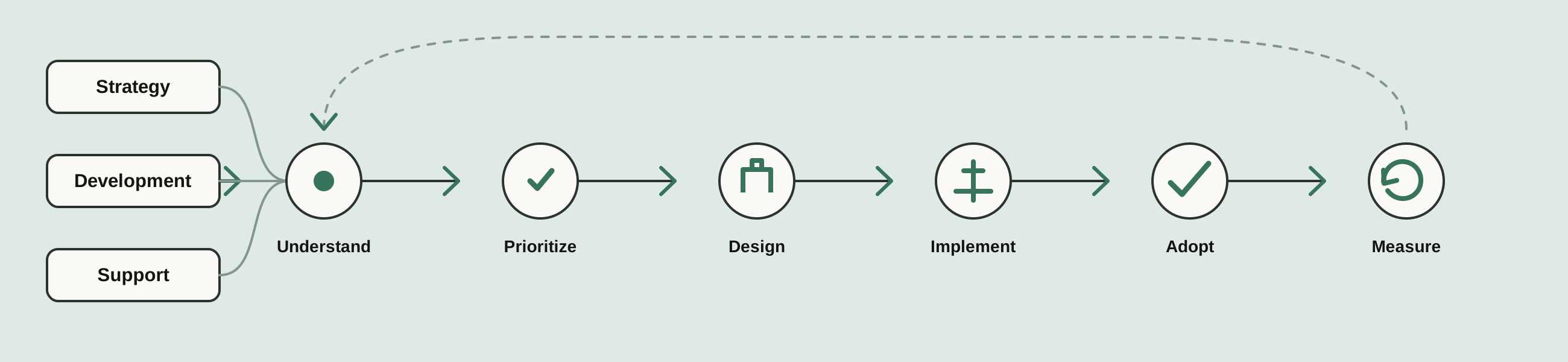
The Abacus AI Transformation Framework brings strategy, development, and support into one continuous process. We learn how the business operates, select the right opportunities, implement the solution, help the team adopt it, and measure whether it worked.
The objective is not to add AI everywhere. It is to remove unnecessary work, improve important decisions, and give people better ways to serve customers and run the business.
Five Business Areas
We look at the whole operation, not one isolated feature
Small businesses rarely operate in neat departments. One person may handle sales, customer service, administration, and delivery in the same day. We therefore examine the complete customer journey and the internal operation behind it.
| Area | What we examine |
|---|---|
| Attract | Website, SEO and GEO, content, social media, advertising, referrals, and lead sources. |
| Convert | Lead capture, qualification, assignment, follow-up, appointments, proposals, and conversion. |
| Deliver | Workflows, tasks, documents, communication, approvals, integrations, and quality control. |
| Delight | Updates, reminders, portals, support, document collection, and additional service opportunities. |
| Run | Reporting, productivity, workload, finance, collections, accountability, and management decisions. |
Within each area, we review the people, process, information, systems, and AI opportunities involved. This helps us distinguish a software problem from a process, training, data, or management problem.
Our Six-Step Method
From an operational problem to a working improvement
- UnderstandSee how the business really works
We map the people, steps, information, systems, decisions, delays, and handoffs behind the work. The goal is to understand the business problem before discussing a tool.
- PrioritizeChoose the work that matters most
We compare opportunities by value, frequency, effort, risk, data readiness, and team readiness. The result is a practical roadmap instead of an unstructured wish list.
- DesignDefine the workflow and its rules
We define the trigger, required information, AI action, human decision, system update, next step, owner, exception path, and expected result.
- ImplementConnect the process, software, and AI
We configure existing tools, build what is missing, connect systems, test the workflow, and introduce it in a controlled way.
- AdoptHelp the team use it well
We provide training, documentation, troubleshooting, and ongoing support. A solution creates no value if the team cannot use it confidently.
- MeasureLearn, improve, and expand
We review adoption and results, correct what is not working, and use the evidence to decide which improvement should come next.
AI Boundaries
Every capability receives a clear level of authority
Useful AI needs access and permission. Responsible AI also needs limits. Before a workflow is activated, we define what the AI may see, what it may do, when a person must approve the work, and what it must never do.
| Level | AI responsibility |
|---|---|
| Read | Retrieve, organize, and summarize approved information. |
| Draft | Prepare work for a person to review and complete. |
| Act with approval | Perform the action only after an authorized person approves it. |
| Act automatically | Complete an approved, low-risk action within defined rules. |
| Blocked | Never perform the action, regardless of the request or trigger. |
We also define access by role, approved information sources, privacy requirements, audit history, escalation rules, and a way to pause or disable every automated workflow.
Strategy Sessions
Each conversation ends with decisions and actionable work
During a strategy session, we:
- Review current problems, requests, results, and changing priorities.
- Examine one important workflow in enough detail to understand how it actually operates.
- Separate the underlying business problem from the requested feature or tool.
- Decide whether the answer is process change, support, configuration, integration, or development.
- Define the trigger, information, ownership, AI permissions, human approvals, and exception path.
- Confirm the expected outcome, priority, and information the client must provide.
The output may be a workflow map, business decision, support action, development brief, integration requirement, training item, or prioritized roadmap item. Ideas leave the meeting with an owner and a next step.
From Strategy to Delivery
One partnership, three connected workstreams
| Workstream | What it covers |
|---|---|
| Strategy | Business analysis, workflow design, prioritization, AI policies, and roadmap management. |
| Development | Software improvements, integrations, automations, AI capabilities, testing, and deployment. |
| Support and adoption | Configuration, troubleshooting, documentation, training, and help using the system correctly. |
This connection matters. The people helping define the business problem remain involved as the solution is built and introduced. Feedback from real use then informs the next strategy decision.
How work enters the roadmap
- Quick win: a focused improvement that can deliver value quickly.
- Foundation: process, data, access, or system work required before automation can be reliable.
- Strategic project: a larger initiative requiring design, development, or integration.
- Support and adoption: help configuring, understanding, or using an existing capability.
What Clients Receive
A working roadmap, not a report that sits on a shelf
- A clear view of important business workflows and their owners.
- An assessment of AI, automation, integration, and process-improvement opportunities.
- A prioritized roadmap organized by value, effort, readiness, and risk.
- Defined AI permissions, privacy requirements, approvals, and escalation rules.
- Actionable development and integration requirements.
- Ongoing implementation, training, technical support, and optimization.
- Regular reviews of progress, results, and upcoming priorities.
Measure and Improve
Every initiative should change something the business can observe
Depending on the workflow, we may measure hours saved, response time, processing time, conversion, errors, duplicated work, collections, customer experience, team adoption, or management visibility.
We use those results to correct what is not working, strengthen what is, and choose the next improvement. AI transformation is not a single installation. It is a managed cycle of understanding, prioritizing, implementing, adopting, and improving.
Abacus does not only recommend what should change. We help define it, build it, support it, and confirm that it is creating value.
Acknowledgements
Developed by Richard Maurice, founder and AI solutions architect at Abacus.